
Severe Jaw Pain & Morning Headaches? How Dental Botox Targets TMJ Tension in West Omaha

Waking up with a sore jaw or a pounding headache can make it difficult to start the day comfortably. For some people in West Omaha, these symptoms may be connected to nighttime teeth grinding, jaw clenching, or tension in the muscles surrounding the temporomandibular joints. At Classic Dentistry, we can evaluate persistent jaw discomfort and determine whether TMJ-related muscle tension may be contributing to your symptoms.
Why TMJ Tension Can Cause Morning Pain
The temporomandibular joints connect the lower jaw to the skull and allow the jaw to open, close, and move from side to side. Problems involving these joints and the surrounding muscles are often referred to as TMJ disorders or TMD.
Clenching and grinding can place repeated stress on the jaw muscles, particularly while you sleep. Over time, those muscles may become sore, tight, or overworked. Patients may notice symptoms such as:
- Jaw pain or tenderness
- Morning headaches
- Facial soreness or pressure
- Pain near the ears or temples
- Difficulty or discomfort when chewing
- Jaw clicking, popping, or limited movement
- Signs of nighttime teeth grinding or clenching
Not every headache or episode of jaw pain is caused by TMJ problems. That is why an evaluation at our West Omaha dental office is an important first step.
How Dental Botox Works on Jaw Muscles
Botox is a form of botulinum toxin that temporarily reduces muscle activity. When used in certain areas of the jaw, it may help relax overactive muscles involved in clenching and grinding, such as the masseter muscles along the sides of the jaw.
For appropriately selected patients, reducing excessive muscle contraction may lessen the amount of tension placed on the jaw and help with certain muscle-related symptoms. Botox does not permanently change the jaw joint, and its effects are temporary.
Botox is not FDA-approved specifically for TMJ disorders, and research on its effectiveness for TMD remains mixed. For this reason, we consider each patient's symptoms, dental health, jaw function, and other treatment options before determining whether Botox may be appropriate.
Is Botox the Only Option for TMJ Pain?
No. TMJ discomfort can have several causes, including teeth grinding, jaw injuries, arthritis, and problems involving the joint itself. Treatment should be based on what is actually causing your symptoms.
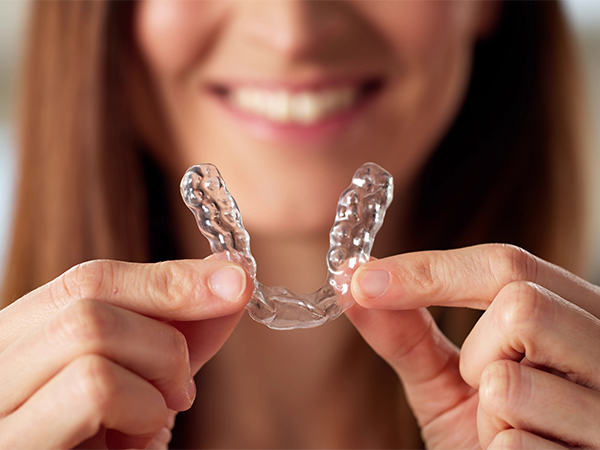
Depending on our findings, we may discuss conservative approaches such as reducing clenching habits, modifying your diet temporarily, using heat or cold, or considering an oral appliance such as a nightguard. Botox may be considered for certain patients when excessive jaw muscle activity is a significant part of the problem.
When to Have Your Jaw Pain Evaluated
Occasional jaw soreness may improve on its own, but persistent or severe symptoms deserve attention. If you regularly wake up with headaches, experience ongoing jaw tenderness, have difficulty opening your mouth, or suspect you are grinding your teeth at night, a dental evaluation can help identify what is happening.
At Classic Dentistry, we take the time to evaluate the jaw, teeth, and surrounding structures so we can recommend care based on your individual needs.
If jaw pain, morning headaches, or persistent clenching are affecting your daily comfort, contact Classic Dentistry in West Omaha, NE, at 12123 Pacific Street, Omaha, NE 68154, by calling (402) 334-4422 to schedule an evaluation and discuss your treatment options.
Helpful Articles
article_category: products
article_category: psychiatry
article_category: faqs
article_category: cats
article_category: general
article_category: services
article_category: technology
article_category: dogs
article_category: restorative
article_category: vision therapy
article_category: contact lenses
article_category: health
article_category: conditions
article_category: eye surgery co-management
article_category: exotic
article_category: cosmetic
article_category: surgical procedures
article_category: aesthetics
article_category: preventative
article_category: ocular disease management
article_category: eyeglasses
article_category: eye health
article_category: large animal
[]
article_category: psychiatry
article_category: faqs
article_category: cats
article_category: general
article_category: services
article_category: technology
article_category: dogs
article_category: restorative
article_category: vision therapy
article_category: contact lenses
article_category: health
article_category: conditions
article_category: eye surgery co-management
article_category: exotic
article_category: cosmetic
article_category: surgical procedures
article_category: aesthetics
article_category: preventative
article_category: ocular disease management
article_category: eyeglasses
article_category: eye health
article_category: large animal
[]
Flowbite is an open-source library of interactive components built on top of Tailwind CSS including buttons, dropdowns, modals, navbars, and more.
Check out this guide to learn how to get started and start developing websites even faster with components on top of Tailwind CSS.
All Dental Services
We offer a wide variety of dental services to the Omaha community. Contact us with any questions about our services.
Keep In Touch
For non-urgent questions or to learn more about our services, contact us today!
Dental Services
Contact Info
Hours of Operation
- Monday 7:30am - 5:00pm
- Tuesday 7:30am - 5:00pm
- Wednesday 7:30am - 5:00pm
- Thursday Closed
- Friday 7:30am - 12:00pm
- Saturday Closed
- Sunday Closed
- Monday
- Tuesday
- Wednesday
- Thursday
- Friday
- Saturday
- Sunday
- Monday
- Tuesday
- Wednesday
- Thursday
- Friday
- Saturday
- Sunday
© 2026 Classic Dentistry. All rights Reserved - Accessibility Statement - Privacy Policy - Sitemap
Managed and Designed by 