
Common Invisalign Problems and How to Solve Them
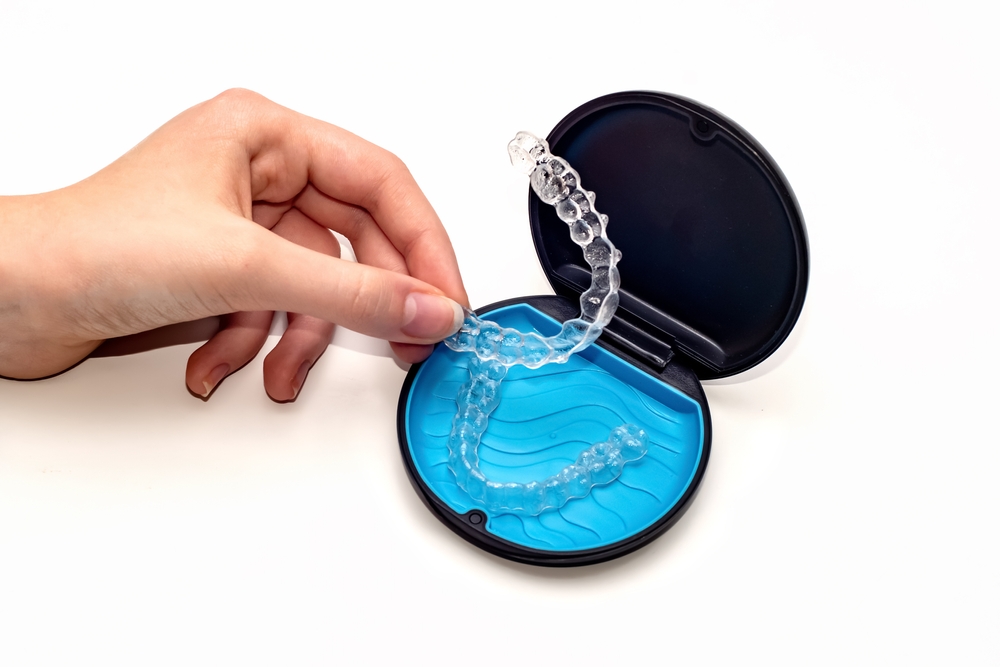
Invisalign is a popular option for patients who want a straighter smile without the look of traditional braces. Clear aligners are discreet and convenient, but like any orthodontic treatment, they can come with a learning curve. Knowing how to handle common Invisalign problems can help patients stay on track and protect their results.
Mild Discomfort When Starting a New Tray
One of the most common Invisalign problems is soreness when switching to a new set of aligners. This usually happens because the teeth are beginning a new stage of movement. In most cases, the discomfort is temporary and fades within a few days.
Wearing each new tray as directed, switching to a new tray at night, and sticking to softer foods for a day or two can make the adjustment easier. Consistent wear is also important because removing aligners too often can make each tray feel tighter when put back in.
Aligners That Feel Too Tight
A snug fit is normal, especially with a fresh tray, but aligners should still seat properly over the teeth. If they do not seem to fit all the way, patients may not be wearing them long enough each day. Invisalign treatment depends on keeping aligners in place for the recommended amount of time.
Helpful ways to improve fit include:
- Wear aligners for the full recommended hours each day
- Use chewies if provided by your dentist
- Avoid skipping ahead to the next tray too soon
- Contact our dental office if a tray still does not seat correctly
Speech Changes in the Beginning
Some patients notice a slight lisp during the first few days of Invisalign treatment. This is usually temporary as the tongue adjusts to the aligners. Reading out loud, speaking more often, and continuing to wear the trays consistently can help speech return to normal more quickly.
Losing or Damaging a Tray
Because Invisalign trays are removable, they can sometimes be misplaced or cracked. This often happens when they are wrapped in a napkin during meals or left out in the open. Storing aligners in their case whenever they are not being worn is one of the easiest ways to prevent this problem.
If a tray is lost or damaged, patients should contact our dental office right away. The next step may be to wear the previous tray, move to the next one, or have a replacement ordered based on the treatment stage.
Staining and Odor Buildup
Aligners can become discolored or develop an odor if they are not cleaned properly. Drinking coffee, tea, soda, or other colored beverages while wearing them can also lead to staining. Rinsing the trays regularly, brushing them gently, and removing them before eating or drinking anything other than water can help keep them clear and fresh.
Staying on Track With Invisalign
Most Invisalign problems can be managed with good habits and regular dental guidance. The key is to wear the aligners as instructed, keep them clean, and address issues early before they affect treatment progress. Patients who stay consistent are more likely to enjoy a smoother process and better results.
Ready to get started with Invisalign or need help with your current treatment? Contact Classic Dentistry to schedule a consultation today. Visit our office in Omaha, Nebraska, or call (402) 334-4422 to book an appointment today.
Helpful Articles
article_category: products
article_category: psychiatry
article_category: faqs
article_category: cats
article_category: general
article_category: services
article_category: technology
article_category: dogs
article_category: restorative
article_category: vision therapy
article_category: contact lenses
article_category: health
article_category: conditions
article_category: eye surgery co-management
article_category: exotic
article_category: cosmetic
article_category: surgical procedures
article_category: aesthetics
article_category: preventative
article_category: ocular disease management
article_category: eyeglasses
article_category: eye health
article_category: large animal
[]
article_category: psychiatry
article_category: faqs
article_category: cats
article_category: general
article_category: services
article_category: technology
article_category: dogs
article_category: restorative
article_category: vision therapy
article_category: contact lenses
article_category: health
article_category: conditions
article_category: eye surgery co-management
article_category: exotic
article_category: cosmetic
article_category: surgical procedures
article_category: aesthetics
article_category: preventative
article_category: ocular disease management
article_category: eyeglasses
article_category: eye health
article_category: large animal
[]
Flowbite is an open-source library of interactive components built on top of Tailwind CSS including buttons, dropdowns, modals, navbars, and more.
Check out this guide to learn how to get started and start developing websites even faster with components on top of Tailwind CSS.
All Dental Services
We offer a wide variety of dental services to the Omaha community. Contact us with any questions about our services.
Keep In Touch
For non-urgent questions or to learn more about our services, contact us today!
Dental Services
Contact Info
Hours of Operation
- Monday 7:30am - 5:00pm
- Tuesday 7:30am - 5:00pm
- Wednesday 7:30am - 5:00pm
- Thursday Closed
- Friday 7:30am - 12:00pm
- Saturday Closed
- Sunday Closed
- Monday
- Tuesday
- Wednesday
- Thursday
- Friday
- Saturday
- Sunday
- Monday
- Tuesday
- Wednesday
- Thursday
- Friday
- Saturday
- Sunday
© 2026 Classic Dentistry. All rights Reserved - Accessibility Statement - Privacy Policy - Sitemap
Managed and Designed by 